43 standard labels for chemical containers
ohs-workplacelabels | Environmental Health & Safety | Washington State ... Workplace Labels for Chemicals. Washington Administrative Code (WAC) 296-901, Hazard Communication Standard, states that all hazardous chemical containers in the workplace must be labeled.This includes secondary, or workplace, containers into which chemicals have been transferred from the shipped, or manufacturer's container (e.g. cleaners/disinfectants transferred to spray bottles). Primary Container Label Requirements - Quality OSHA Training Shipped - Primary Container Label Requirements. Under the new HCS 2012, labels on containers shipped from manufacturers ...
PDF FACT SHEET - ehs.harvard.edu The manufacturer's name and address The procedure for disposing of the container NFPA 704 LABEL The National Fire Protection Association (NFPA) has developed a numerical system for the identificaton of fire hazards posed by various materials. These diamonds can be found on certain labels. GHS PICTOGRAMS AND HAZARDS
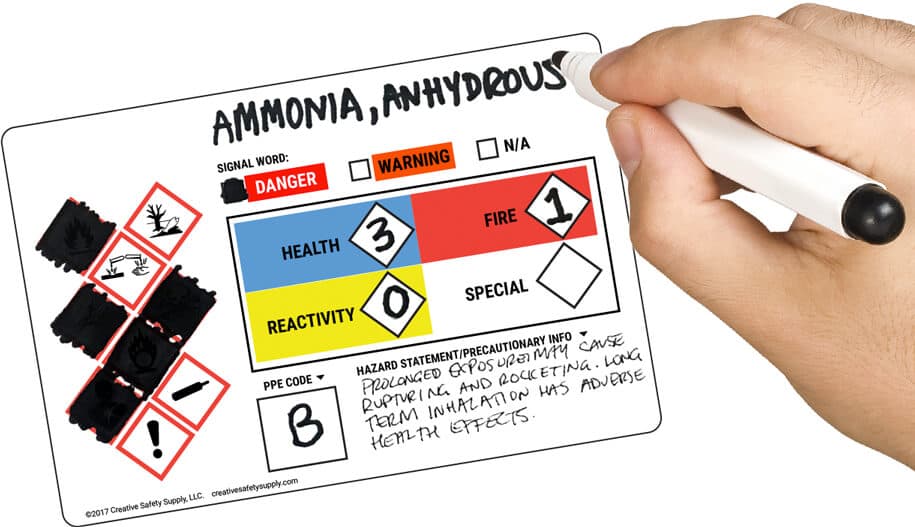
Standard labels for chemical containers
Chemical Container Labeling - Emory Report Tech-niques blog The label must be written in English. The label cannot be defaced, marked out, or removed until the original contents are removed from the container. Working containers or portable secondary containers must also meet the requirements of OSHA's Hazard Communication Standard. The label on the working containers of hazardous chemicals must contain: Rules for Proper Secondary Container Labeling - HSI Storage bottles for solutions or dilutions of a chemical. Sample vials or sealable tubes. Large batches of the same compound may be labeled collectively, provided that they are stored and handled as a group. Exceptions. Only a few exceptions apply to secondary container labels. These include: If the container size is impractical to house a label. Everything You Need to Know About Labeling Secondary Containers - LEM Employers must ensure containers with hazardous chemicals are labeled, tagged, or marked according to OSHA regulations. OSHA states secondary labels must relate the following information: The product name The hazardous chemicals the product includes
Standard labels for chemical containers. Download secondary chemical container labels | EHS If your laboratory uses secondary containers filled with chemicals, the secondary containers must comply with OSHA's Hazard Communication Standard for Labels and Pictograms. For your convenience, EH&S designed secondary chemical labels that can be downloaded from our website and printed onto Avery 5163 labels. You may choose from three designs: Secondary Container Label Requirements | HCL Labels -The name and address of the manufacturer, importer or other responsible party must be included on the "primary container" label. -The hazard label message must be legible, permanently displayed and written in English. For more information regarding the OSHA HazCom Standard, please review the OSHA standard in it's entirety here - Safety Labels for Hazardous Chemicals | NSTA The OSHA Laboratory Standard 29 CFR 1910.1450 details specific recommendations when labeling and storing hazardous chemicals within school laboratories. First of all, the laboratory standard [ (1910.1450 (h) (1) (i)] requires that labels on incoming containers not be removed or defaced. Incoming container refers to the original receptacle that ... Reference Guide to GHS Container Labels | UArizona Research, Innovation ... There are six required sections of a GHS-compliant chemical container label: Product Identifiers GHS Pictograms Signal Words Hazard Statements Precautionary Statements Supplier Identification 1. Product Identifiers The product identifier is most often the common product name of the chemical, and must match the product identifier on the SDS.
NMSU Chemical Container Labeling Procedures The original manufacturer label must remain legible at all times. If the original label is damaged, removed or defaced the label must be replaced immediately with a new label containing the same information. Workplace (Secondary) Container Labeling. During routine laboratory or shop operations, hazardous chemicals are frequently transferred ... Chemical Container Labels | EHS The label on an original chemical container must be legible and written in English. It must include the chemical/product name as shown on the SDS and the manufacturer's name and address. Do not accept materials if the label is illegible or missing required information. (See example of original label below). PDF CHEMICAL CONTAINER LABELING GUIDELINES - Towson All chemical containers must be labeled. The only exception is portable containers under the explicit control of the user at all times. If the container will be left alone for any reason, then it must be labeled. Per the OSHA Hazard Communication Standard 29 CFR 1910.1200, the primary information on an OSHA-required label is the identity of the Types of Containers and Labels - Quality OSHA Training Container labeling can be a very effective method to communicate the physical and health hazards of chemicals used in the ...
Container Labels Reading and work safely-Safety Poster - HSSE WORLD GHS Labels for Primary Containers Primary chemical containers are the bags, barrels, bottles, boxes, cans, cylinders, and drums that you receive from the manufacturer. These containers should be labeled following the GHS mandates per the GHS label example above and include all six labeling elements. PDF Chemical Labeling Standard for Secondary Containers Chemical Labeling Standard for Secondary Containers 7.2 References: National Research Council of the National Academies, Guide for the Care and Use of Laboratory Animals, 8th edition National Research Council, Institute of Laboratory Animal Resources, Occupational Health and Safety in the Care and Use of Research Animals, 1997 6 Tips To Ensure GHS Compliance For Small Chemical Container Labels 2) Label all secondary containers. If a chemical is supplied to the workplace with a GHS label, it must be maintained. If the chemical is transferred to a secondary container, such as a tank or spray bottle that stays in the workplace, employers may label it with information from the original GHS shipping label or safety data sheet. Labeling of Secondary Containers | Occupational Safety and Health ... section 1910.1200 (f) (6) (ii) requires that workplace labeling include "product identifier and words, pictures, symbols, or combination thereof, which provide at least general information regarding the hazards of the chemicals, and which, in conjunction with the other information immediately available to employees under the hazard communication …
GHS Secondary Container Labels | Creative Safety Supply
Chemical Labelling Requirements | Environmental Health & Safety ... Requirements for labeling of chemical containers come from the Occupational Safety and Health Administration (OSHA) Hazard Communication and Laboratory Safety standards. All hazardous chemicals are required to be properly labeled (full chemical name) unless they are exempted by this standard.

Chemical Labels - Industrial Printers for Safety Labels
PDF HEALTH & SAFETY Chemical Container Labeling Hazardous chemical containers used within a Laboratory Area must follow the OSHA Laboratory Standard. Hazardous chemical containers used within a Non-Laboratory Area must follow the OSHA Hazardous Communication ... o Label the outside of the container with approximate contents if feasible or list where more information can be

SafetyBytes® Hazardous Chemical Container Labeling
Requirements for Shipped Container and Workplace Labels Requirements for Shipped Container and Workplace Labels As part of the 2012 revision of the Hazard Communication Standard, 29 CFR 1910.1200, OSHA adopted new hazardous chemical labeling requirements for shipped containers that align with the United Nations' Globally Harmonized System (GHS) of Classification and Labeling of Chemicals.

121 best Chemical Hazards images on Pinterest
Chemical Container Labeling - Northwest Safety Here are some of the key requirements to be aware of: All labels must have pictograms, a signal word, hazard and precautionary statements, the product identifier, and supplier identification. Workplace labels must be provided in English. Other languages should be added to the label if applicable or necessary.
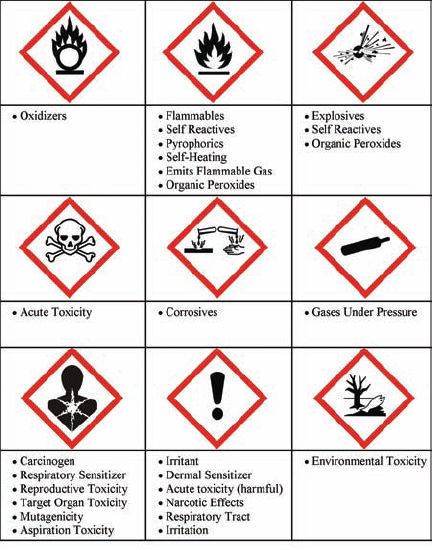
4 Evaluating Hazards and Assessing Risks in the Laboratory | Prudent Practices in the Laboratory ...
Labeling small containers | Occupational Safety and Health Administration When containers are so small that it is infeasible to include all of the HCS 2012 label elements on the label, and when the use of pull-out labels, fold-back labels, tags, or other methods of labeling are not feasible, OSHA will allow a practical accommodation for labeling.

GHS Secondary Hazard & Precautionary Statement Label, SKU: LB-2916
Container Labeling: A Key to Compliance - Occupational Health & Safety Containers also must have the following identification on the container, label or tag [29 CFR 1910.1200 (f) (1)]: The identity of the hazardous chemical Appropriate hazard warnings The name and...
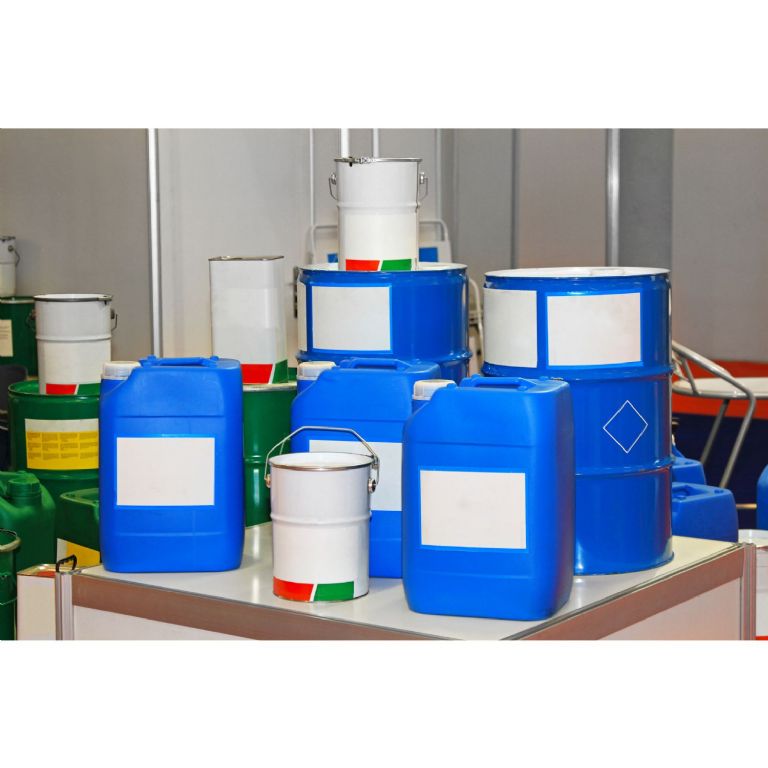
Self adhesive labels for chemical containers
PDF Chemical Container Labeling - Environmental Health and Safety Summary of OSHA standards and labeling requirements for Hazardous Chemical Containers Laboratory Areas & Use Non-Laboratory Areas & Use (machine shop, paint shop, etc.) Required Label Information 1 Manufacturer's container 2 Secondary container 3 Manufacturer's container Secondary container Chemical Identity 4
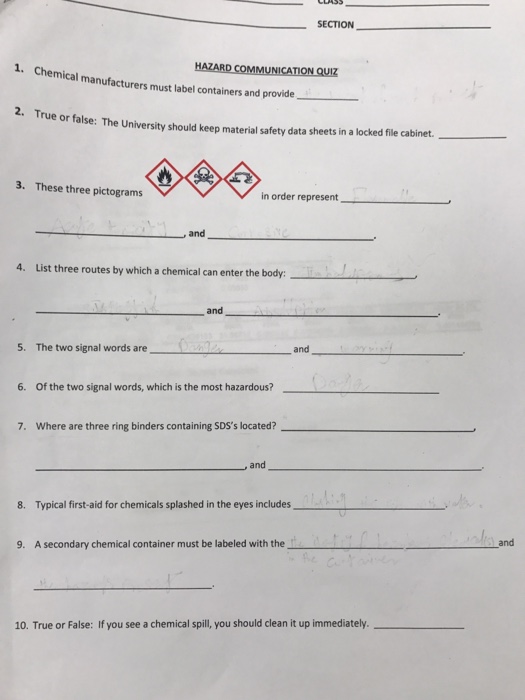
Solved: Chemical Manufacturers Must Label Containers And P... | Chegg.com
Proper Labeling Chemical Containers - OSHA Review The chemical manufacturer must ensure that primary label is marked with the following information: Product identifier - The name or number used for a hazardous chemical on a label or in the safety data sheet (SDS). Signal word - A word used to indicate the relative level of severity of hazard and alert the user to a potential hazard.
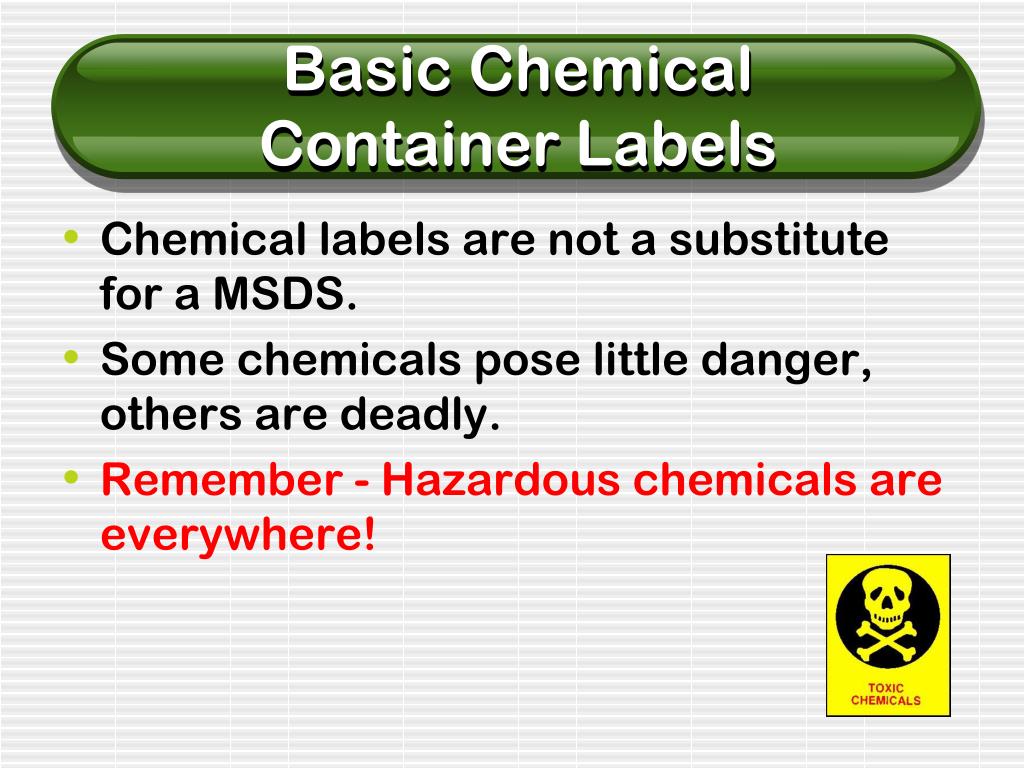
PPT - Right to Know PowerPoint Presentation, free download - ID:4864121
A Guide to OSHA's New GHS Chemical Labeling Requirements The GHS-inspired standards will require chemical manufacturers and importers to label chemical containers with 1) a harmonized signal word 2) GHS pictogram (s) 3) a hazard statement for each hazard class and category and 4) a precautionary statement. These elements are discussed in greater detail below:
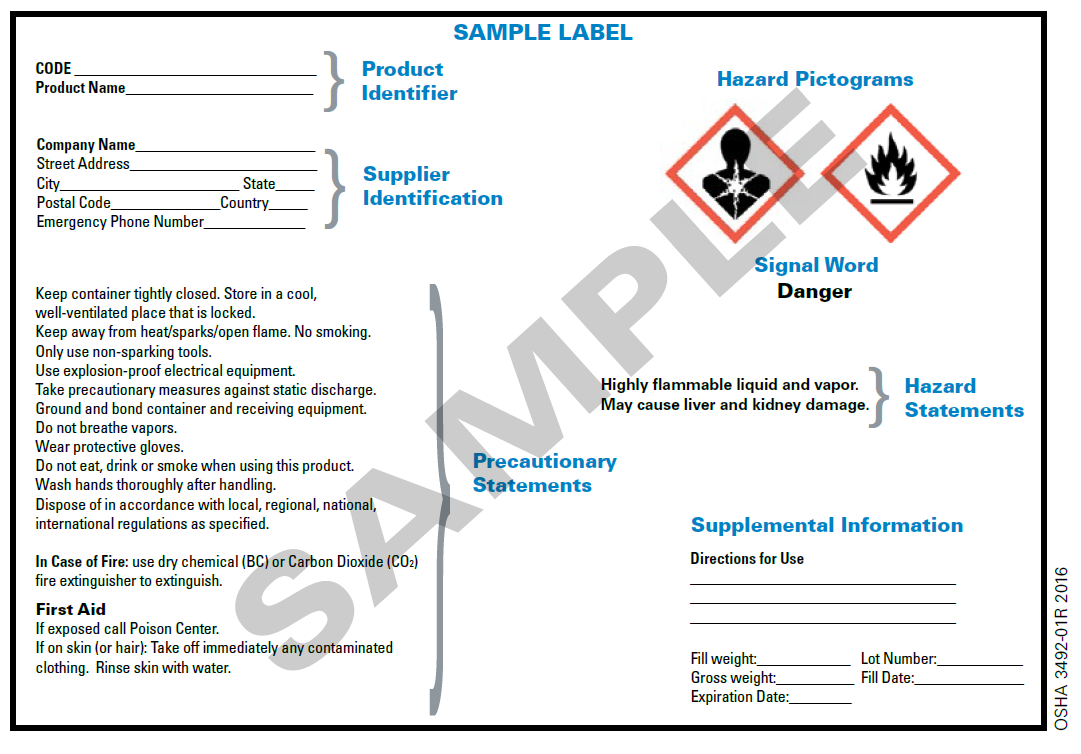
Hazard Communication Program | Environmental, Health and Safety Services | Virginia Tech
Chemical Container Labeling - Syracuse University The manufacturer's container label must have specified elements including pictograms, signal words and hazard and precautionary statements which provide hazard information to the end user. The University must ensure manufacturer container labels are maintained in good condition and replaced when needed.
Step-ons and Benchtop Medical Waste Secondary Containers – Stanford Environmental Health & Safety
Everything You Need to Know About Labeling Secondary Containers - LEM Employers must ensure containers with hazardous chemicals are labeled, tagged, or marked according to OSHA regulations. OSHA states secondary labels must relate the following information: The product name The hazardous chemicals the product includes

Safety Labels & Signs > ElectGo
Rules for Proper Secondary Container Labeling - HSI Storage bottles for solutions or dilutions of a chemical. Sample vials or sealable tubes. Large batches of the same compound may be labeled collectively, provided that they are stored and handled as a group. Exceptions. Only a few exceptions apply to secondary container labels. These include: If the container size is impractical to house a label.
![GHS Labeling Requirements: The Definitive Guide [2021 Update] | Luminer](https://www.luminer.com/wp-content/uploads/2017/07/GHS-Definitive-Guide-header-image.png)
GHS Labeling Requirements: The Definitive Guide [2021 Update] | Luminer
Chemical Container Labeling - Emory Report Tech-niques blog The label must be written in English. The label cannot be defaced, marked out, or removed until the original contents are removed from the container. Working containers or portable secondary containers must also meet the requirements of OSHA's Hazard Communication Standard. The label on the working containers of hazardous chemicals must contain:

Chemical Secondary Container Label SECLABEL - by SafetySign.com

Home, Koogan Plastics, Food Packaging, Oil Containers, Chemicals Containers, Medical Waste ...
Post a Comment for "43 standard labels for chemical containers"